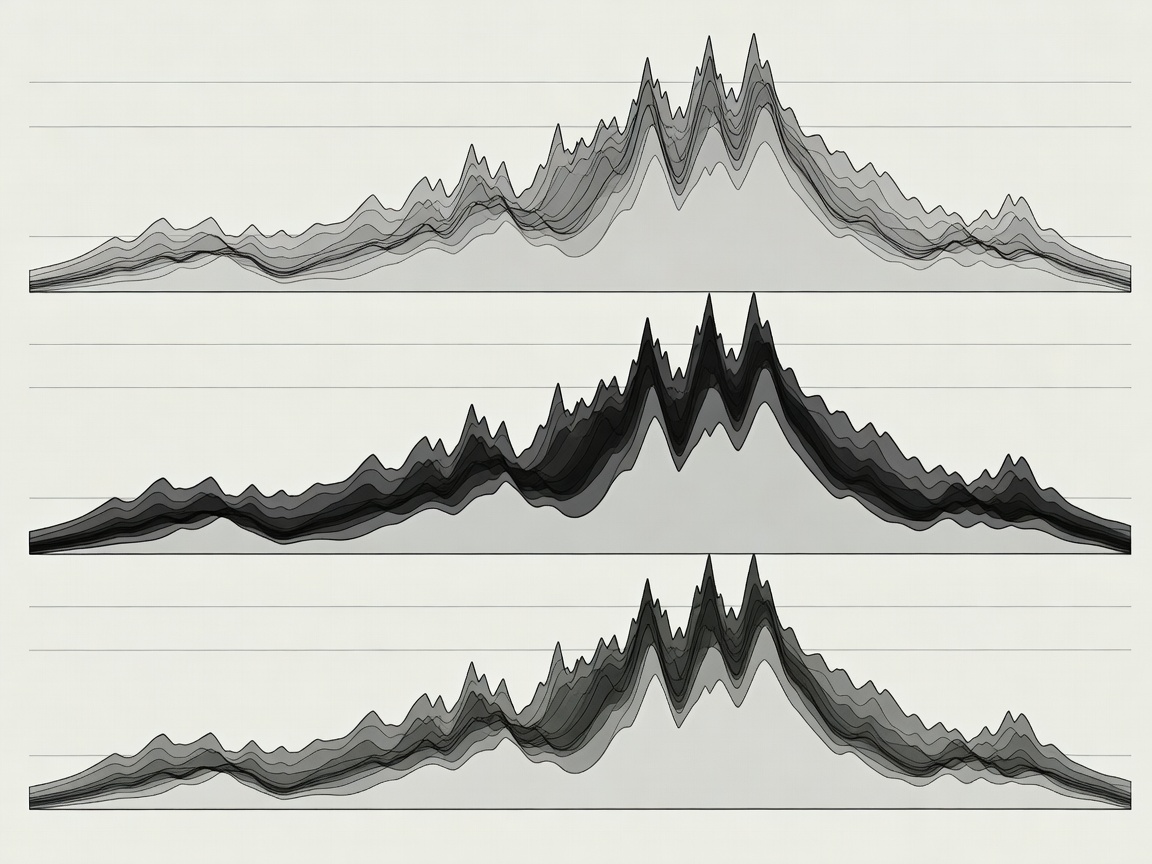
The basic frame
The Tour de France, Giro d'Italia and Vuelta a España are the three Grand Tours. Each is a multi-stage road race run across roughly three weeks, normally with rest days built into the schedule. The most important contest is the general classification, often abbreviated to GC. It is an accumulated-time competition: each rider’s elapsed time from every stage is added, and the lowest total leads.
That simple arithmetic explains why a rider can finish safely in the main group on many days and still lose the race on one climb or one time trial. A stage winner is the fastest rider on that day. The overall winner is the rider who has spent the least total time racing over the whole route. The two honours often belong to different riders.
Why the order matters
Route designers place different kinds of stages in a sequence, rather than as a neutral catalogue. A flat opening can leave sprinters and their teams controlling the early rhythm. An early mountain stage may reveal who is struggling, but it need not settle the final result. A time trial can separate riders without drafting; a hard final week can turn a small deficit into a tactical problem.
Transfers also matter. Moving a race between regions changes the practical burden around the racing, while rest days interrupt the daily pattern without erasing fatigue. A recovery day can help a rider who has been under pressure, but it can also interrupt momentum. There is no universal “best” placement: a route with long time trials asks a different question from one with repeated summit finishes.
Time gaps are a currency
GC racing is usually conservative when the likely cost of a failed attack exceeds the possible gain. A rider protecting a lead does not need to win each stage; they need to avoid losing enough time. A rider behind may need to force the race open, often by attacking far from the finish or sending teammates into a breakaway ahead.
Time bonuses can add another layer. Their availability and scale are set in race regulations, so they should be checked in the official roadbook for a particular edition. In general, bonuses make close finishes and intermediate contests more consequential, but they do not replace the far larger gaps that difficult terrain can create.
Three races, related but not identical
| Race | Overall leader’s jersey | Structural character |
|---|---|---|
| Tour de France | Yellow | Often the most internationally watched; route balance varies. |
| Giro d'Italia | Pink | Frequently associated with demanding climbing and changing weather conditions. |
| Vuelta a España | Red | Often uses steep finishes and late-race opportunities for attacks. |
Those are tendencies, not guarantees. The official routes determine the actual balance each time. Reading a race begins by locating time trials, mountain blocks, likely sprint stages and rest days, then asking which rider type gains or loses from that distribution.
How to watch the whole shape
Keep two views at once. Watch the stage as its own contest: breakaway, sprint lead-out, descent, finish. Then look at what it did to the overall ledger. A quiet day for GC can still be essential because it preserves energy for a later day. An apparently modest gap can become decisive when a rival has no terrain left that suits them.
The three-week format makes patience visible. It rewards physical capacity, but also restraint, team management and the ability to choose the right day to spend effort.